Sneak Preview: Mergers & Acquisitions in Mining Tech with Ivan Gustavino
In this sneak preview, Ax Legal’s Managing Partner Cody McFarlane speaks with Ivan Gustavino, Managing Director at Atrico, who has advised over 100 high-growth companies in mining, industrial tech, and software. With M&A activity heating up, Ivan breaks down what investors and buyers really look for in mining technology companies today.
Mining companies are increasingly looking for technologies to help transform their operatoons. Much of the specialist knowledge and advanced technology required to support this transformation still comes from outside Brazil. For foreign companies unfamiliar with the Brazilian system, the import process can appear difficult and expensive but with the right guidance it can be managed helping companies to enter one of the largest mining markets in the world.
Hiring your first employees in Chile is an exciting milestone. It is also the moment foreign companies discover that Chilean labour practices work differently, sometimes very differently, from what they are used to at home. After a decade of helping foreign companies build teams in Chile, these are the five considerations that come up in almost every first hire.
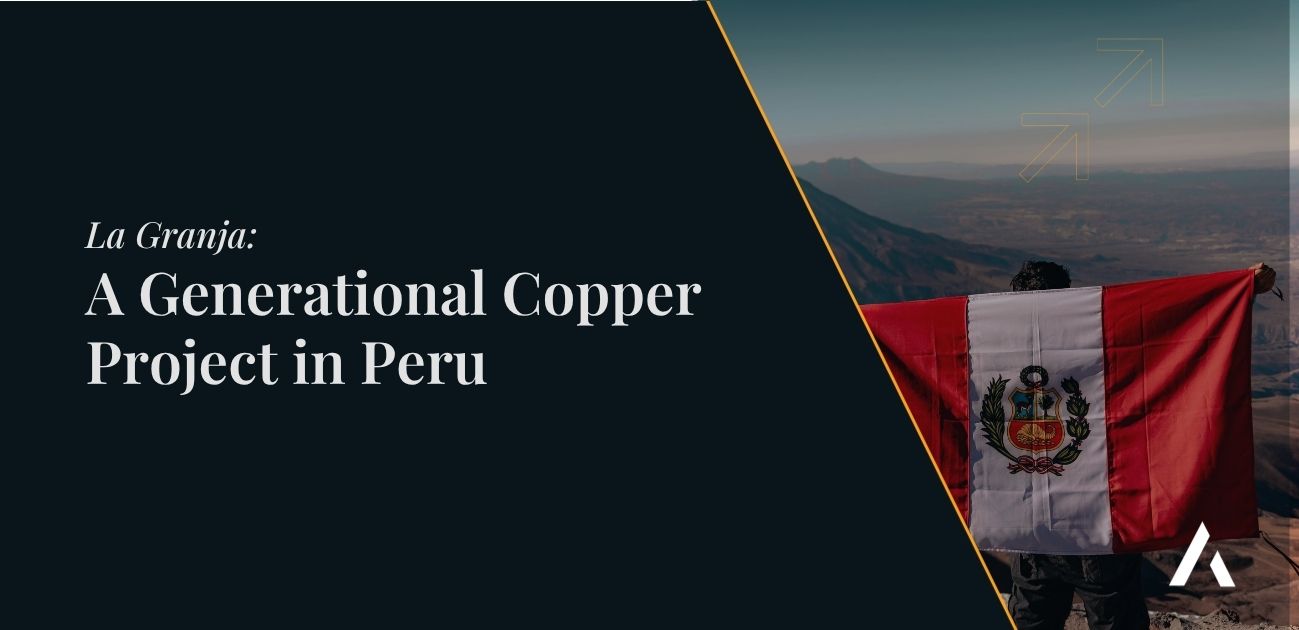
La Granja has been known in Peru’s mining sector for years, but First Quantum is bringing renewed momentum to one of the country’s most important copper projects. The latest NI 43-101 technical report confirms that La Granja is not just another copper deposit. It is one of the most significant undeveloped copper resources in the world, ranking as the second-largest undeveloped open-pit copper project globally.
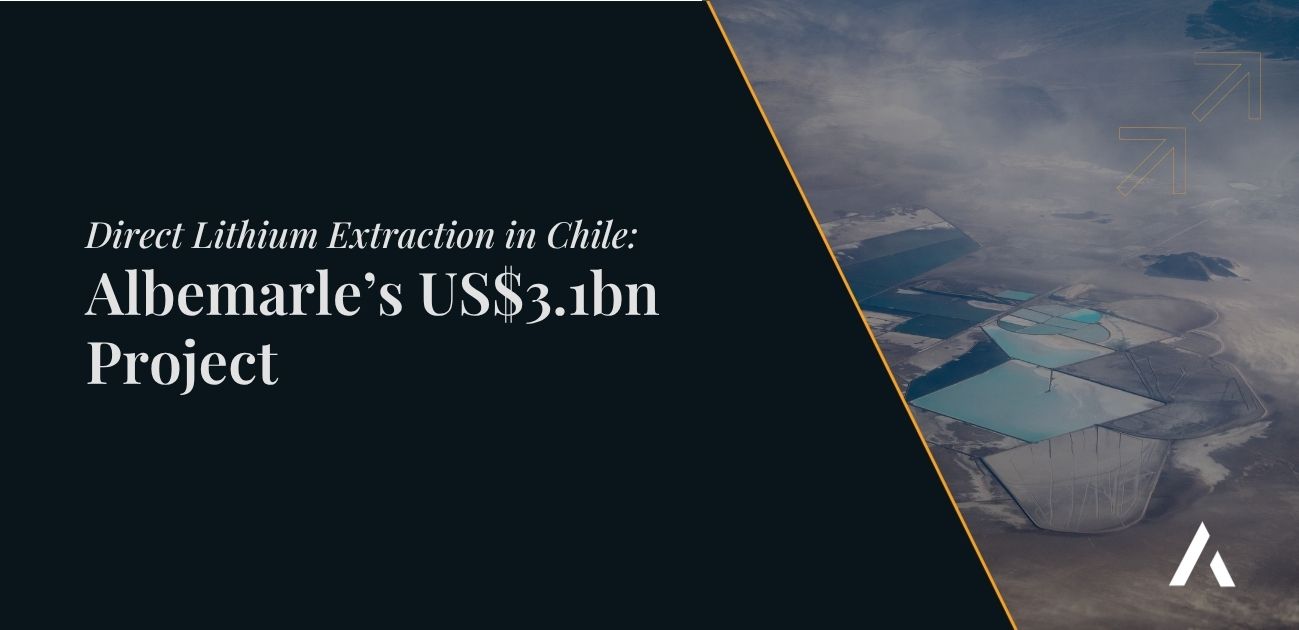
There has been a race in Chile among Direct Lithium Extraction (DLE) technology providers to reach commercial scale. While Chile remains the world’s second-largest lithium producer, its position is increasingly challenged by Argentina. Albemarle’s US$3.1 billion project is set to be the first DLE project at scale in the country, and if it proves more sustainable than traditional evaporation ponds, it could unlock the next wave of projects and investment in Chile.
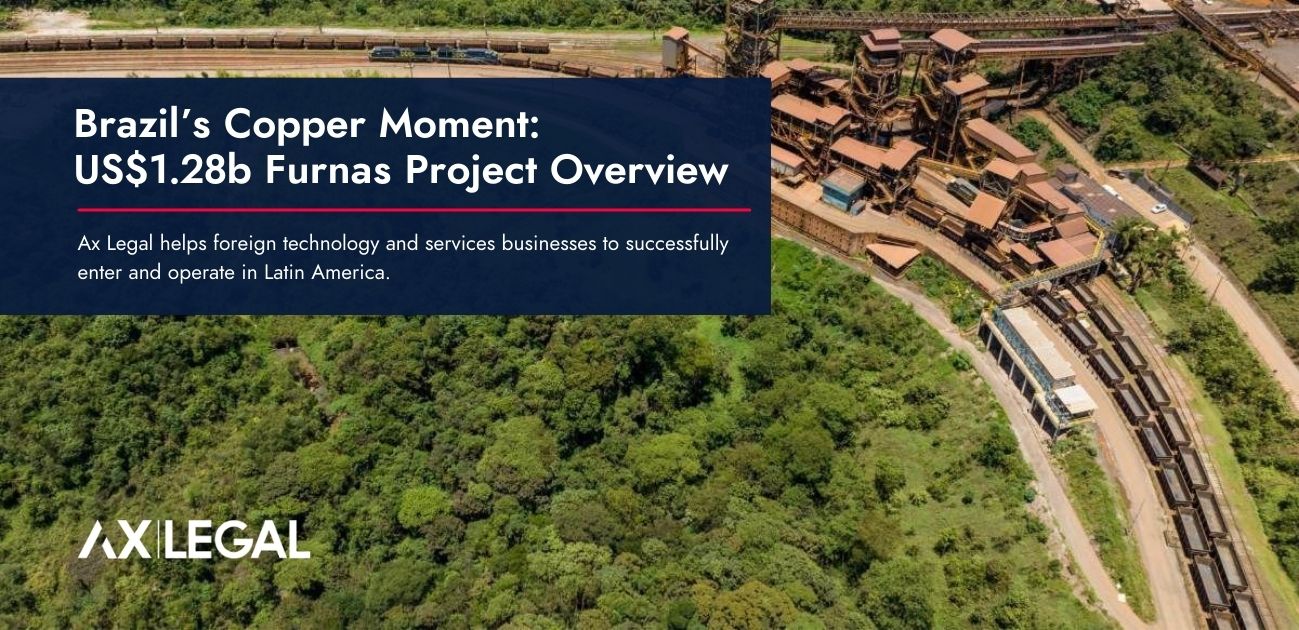
Although Brazil has not traditionally been viewed as a major copper producer, that narrative may be starting to shift. Ero Copper Corp. has released the inaugural Preliminary Economic Assessment for the Furnas project, outlining a 24-year open pit operation with the scale, economics, and longevity to position it as a potential cornerstone copper asset in Brazil.
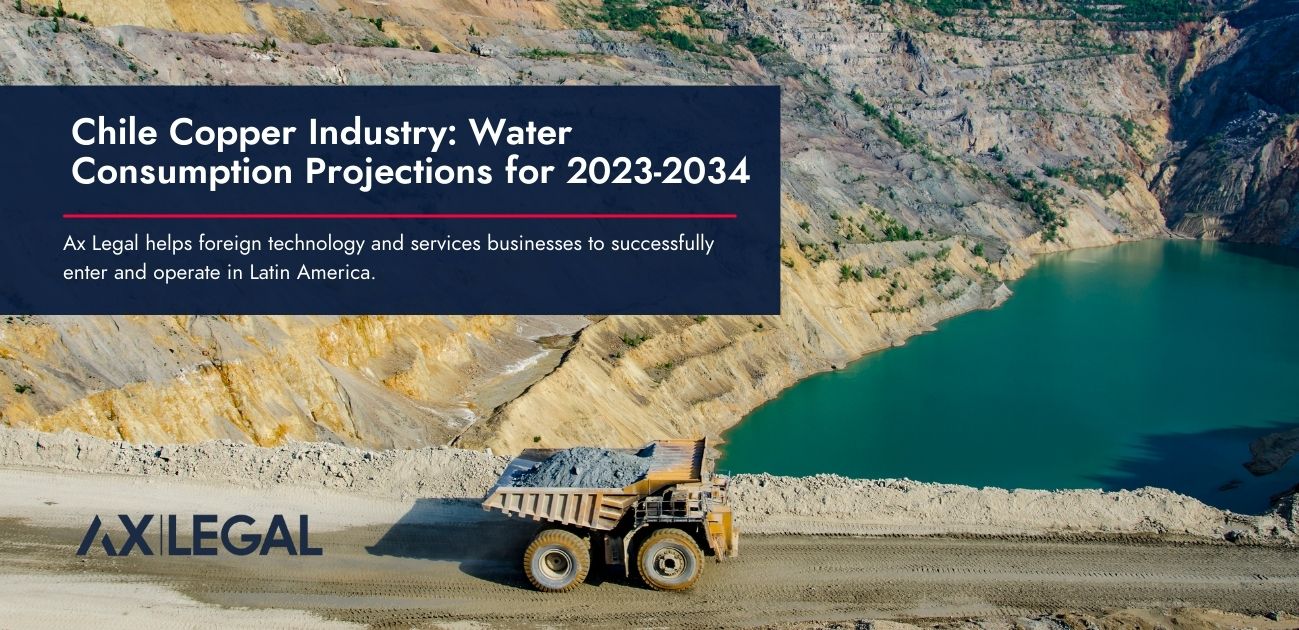
Mining is one of the main drivers of the Chilean economy, and water scarcity is a risk for both existing operations and new mines that will need to be built. The Copper Commission (Cochilco) has been studying water usage in the industry for the last few years. Last week they released their new report, which outlines their projected water usage for the Chilean mining industry between 2023 and 2034.



 Santiago
 Sydney
 Lima
Lima