Sneak Preview: Mergers & Acquisitions in Mining Tech with Ivan Gustavino
In this sneak preview, Ax Legal’s Managing Partner Cody McFarlane speaks with Ivan Gustavino, Managing Director at Atrico, who has advised over 100 high-growth companies in mining, industrial tech, and software. With M&A activity heating up, Ivan breaks down what investors and buyers really look for in mining technology companies today.
Industrial technology and engineering companies go where the projects are, whether that’s a copper mine in Peru’s southern Andes, a lithium operation in the Atacama or an offshore field in Brazil. Winning that first contract in a new country is exciting. But the way you deliver it, who you send, how long they stay and what they’re authorised to do, can create tax obligations you never planned for..
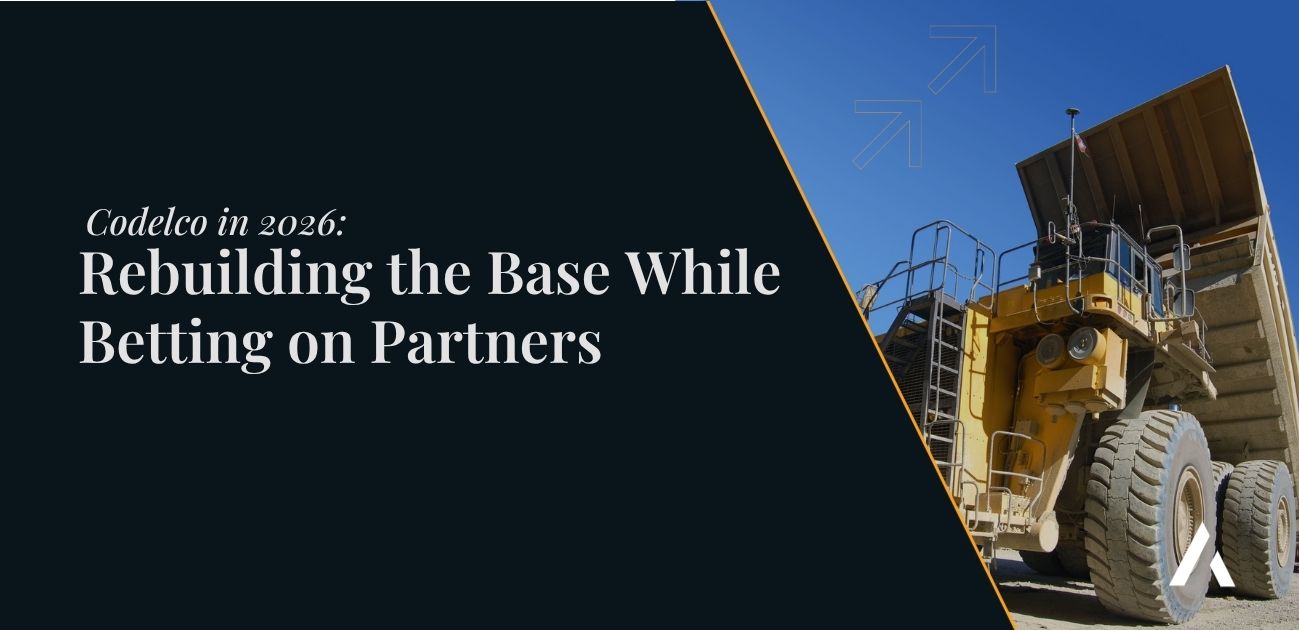
Codelco is still the world’s largest copper producer and the most important company in the Chilean economy. It is also under real pressure. Its main mines are ageing, ore grades are falling, and the projects meant to replace lost production have taken longer and cost more than planned. The next few months will be telling to show whether 2026 was a turning point or another difficult year.
Argentina has simplified the process for registered mining companies and service providers to import qualifying equipment, spare parts and inputs duty free. For mining technology and equipment suppliers, this can mean faster imports, easier movement of used equipment, and more flexibility to support multiple projects across the country.
Every company in Brazil pays corporate tax under one of two systems: Lucro Presumido or Lucro Real. You choose. The problem is that nobody told you or even asked about which of Brazil’s two corporate tax regimes that you wanted to be part of. No one ran the numbers because you didnt know and now your locked into a system for the next 12 months.
Mining companies are increasingly looking for technologies to help transform their operatoons. Much of the specialist knowledge and advanced technology required to support this transformation still comes from outside Brazil. For foreign companies unfamiliar with the Brazilian system, the import process can appear difficult and expensive but with the right guidance it can be managed helping companies to enter one of the largest mining markets in the world.
Chile’s grid is 4,300 km long. The best wind is in the south, the best sun in the north, and the biggest industrial demand sits at the top of the country. Moving power across that distance is the whole problem. Chile published its long-term energy plan last week, the document that sets out how much power the country will need through 2057 and where the grid has to be built to deliver it.



 Santiago
 Sydney
 Lima
Lima